


 1 / 3
Science Memory Game – Branches of Science
SKU: HH-PSM-205
excl. VAT
A memory game on branches of science: you flip two cards on each turn and look for matching pairs, so the concepts become fixed in mind while playing.
The delivery charge is calculated by the size of the parcel and is shown at checkout before payment; collection is free of charge.
Packaging and delivery specification
Package dimensions (L×W×H)
10×7×3 cm
Weight
0.2 kg
Dimensions and weight are estimates for delivery planning. The exact specification is the one in the document you receive — a price quote or an invoice.
Full description
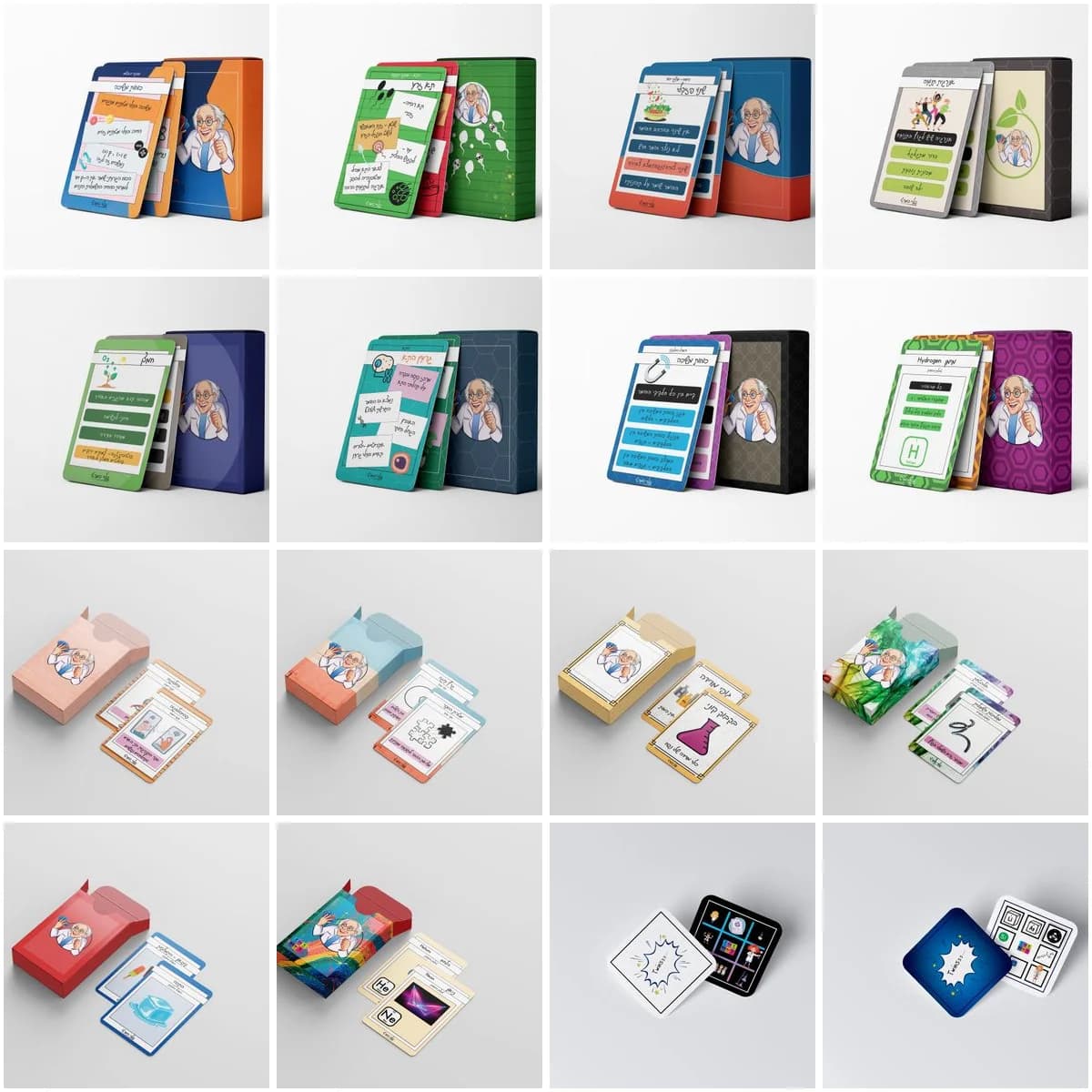
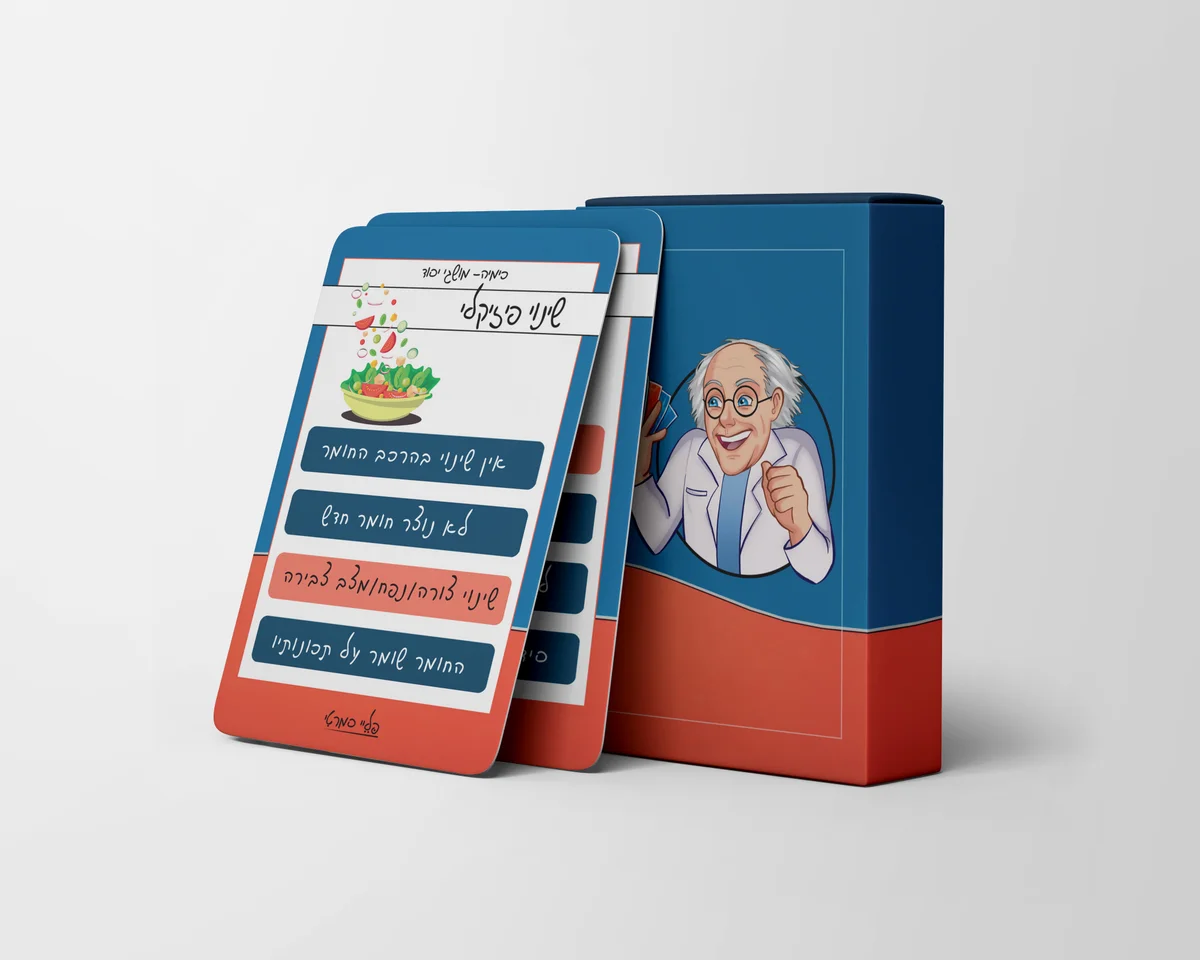
A memory game on branches of science, from the Play Smarti series of card games for learning science.
The cards are laid face down, and on each turn you flip two and look for a matching pair. Whoever remembers where each card was seen — and what it says — collects the most pairs.
Suitable for grades 7–11, and even those who have not yet studied the material learn it while playing.
A short game that suits opening a lesson, summing up a topic, or a station in a stations lesson.
The game is also sold as part of the Play Smarti kit for teachers — all 16 games in one package, so the whole class can play at once.
Frequently asked questions
The game is suitable for grades 7 to 11, and students who have not yet studied the material can also learn it while playing.
The cards are laid face down on the table, and on each turn a player flips two cards and looks for a matching pair. Whoever remembers where each card was shown and what its meaning is collects the most pairs.
It is a short game that is especially suitable for opening a lesson, for summarizing a topic being studied, or as an activity at one of the stations in a station-based lesson.
No prior knowledge of science is required, since even someone who has not yet encountered the material learns the concepts while playing.
Yes, the game is also sold as part of the Play Smarti teacher kit, which includes all the games in one package, so that the whole class plays at once.
Even someone who has not yet studied the material learns it while playing, thanks to finding the pairs and getting to know the concepts.